






POLVO E TUDO O QUE ENCONTRAMOS NA FEIRA, VEJA O QUE FIZEMOS
[Music] Oh, this one. Look at this beautiful pan. [Music] [Music] Mom, did you like what you saw? Hey, guys, how are you? Everything okay? And today, here we are at the Camamon fair once again, starting the day with beiju. Do you like beiju? Beiju and pamonha. Look, beiju made with leaves and beiju made with dough. And I can tell you that it’s the best in the region, you know? The girls here are highly rated. And then there are other types, right, Alisson? Pamanha made with puba. Pamanha made with puba. Pamanha made with kissari. Pamanha made with kissari. Baçado puba dumpling. Bread dumpling. Yeah. Then there’s the tart goma beiju. And the pastelzinho. Look. There’s also beiju made with dough. Beiju made with dough. So there’s variety. A lot of variety. Look at you being served there, sir. Alon will also bring his today. And here, guys, don’t stop, because I’ll start, look, we’ll start the video right away, look, right away in the hustle and bustle. People are already buying, there’s no way to stop. People are selling, marketing. And what was your choice today? Beiju de folha. Guys, for those of you who are following the channel, who want a traditional beiju de folha, tasty, different. And here, as I said at the beginning, it’s highly rated because people like it and look for it a lot. If it arrives a little late, don’t you think? And we’re here today with, what’s her name? Josenilda. Josenilda. And Gabriele. Gabriele and Renilda. And Renilda. We’re already missing one. Yeah. But is she the only one who follows the channel or do you follow the channel? We follow the whole channel. Everyone is following. So it’s the beiju gang. The beiju gang. The beiju sisters. The beiju sisters. See? So when you show up at the fair, you know, look for the beiju sisters here. The beiju sisters. And so the video is just starting, just starting. It’s time for coffee. You’re going to watch us have coffee too. So the video will start like this, like this, with coffee. Let’s go then. Thank you, okay? Thank you. And we’ll be back here soon. Have a great day. Good job. [Music] Artur. I’m here today with the boys here, look. I’m here with the boys, my father. Look, where I’m with the boys here, look. Look, we’re here to send you a hug and thank you. Exactly. You’re with us, you’re with your family, you’ve lived an adventure and today we’re here, look, with your father who, what’s your father’s name? If you came to the fair today, you’d find him here, look. So you didn’t want to come with your father today, see? I didn’t want to wake up early to come to the fair. And today is a beautiful day. The most beautiful thing. The most beautiful thing. That’s it, Artur. Hugs. This was made on fire, you see? That’s right, right? There are habits that don’t change, boy. Boy, this bottle here follows me. I don’t know what it wants with me. It follows me in some way. It’s my cousin. Oh, yeah. Oh, we almost forgot to mention that our cousin is here with us today, look. Dona Lady Laura. Can you see that, look? Having a coffee. And here, look, in the silence of the fair, we’re going to have a coffee with beiju de folha. Exactly. Facing here, look, the port of Camamu, right? Going here, look, we’re going to Bahia de Camu, which you already know, to that place over there, the region where we usually fish and such. But today we’re just stopping here to have that coffee, guys. And remember, look, this one is not made with banana leaves, no. This one is made with the leaves of another plant, right, Alice? Guys, the beiju made with leaves looks like this here, look. And the part I like the most is this dark part here, look. The toasted part, right? It’s the caramelization. There, look. I don’t know if you’ve ever eaten fish in banana leaves. In banana leaves, when it burns a little, you can taste that leaf flavor mixed with fish. It’s the same thing with the beiju made with leaves. It caramelizes here, guys, because of the sugars and such, look. And then it gets toasted. Anyone who’s ever eaten jempim cake will remember that texture, right, but the flavor is completely different and it’s very tasty. It has this gelatinous texture that comes from tapioca and it’s very tasty. And that’s what today’s breakfast scene is, look. Coffee. Beiju made with leaves. Sininildo is here too, look. Just in the beiju. My life was this one, look. What? My life was this one. Your life was this flour lime. Just a kiss. This one here, guys, is the beiju. Actually, it’s the pamonha, right, from Kissari. Kissari, for those who don’t know it by that name, is a type of yam, isn’t that right, Mrs. Leid Laura? Yes, sir. A root. So, do you mean that this one is one of your favorites? Yes, that’s it. Very tasty. Very tasty. Keep talking too much. Let it fall. Let it fall. Exactly. See, do it like this, look. That’s right. Breakfast at the fair. Let’s talk like the boys do. It’s too good. It’s good. Delicious. And so, look, guys. Coffee drunk. Now a little ball at the fair so we can see a few things. Then we’ll come back. [Music] And here, look, already inside the fair you’ll see how the movement is today. And then to represent, to live an adventure. And there’s no shortage of it, huh? There’s no shortage of our adventures. We’re showing you here today, look. There’s olive oil, there’s lots of it, lots of it. It’s 1 L, it’s 1 L, right, Al? Look, if Eduardo’s here, he’s the one responsible for the olive oil. So, since when have you been selling olive oil here? The olive oil here is over 10 years old. More than 1 L. It’s from Camamu. Really Camu. Look. Do you see there, Al? So, whenever you want, see, if you don’t want palm oil either, you already know that here at the market you can find it with Mr. Eduardo. Mr. Eduardo here, look. A passion fruit there, look. Very good. A passion fruit here is R$10. Very good for your health. Yes, it has several benefits, right, for your health. Yes, maybe you know it, it looks like a melon, maybe you know it as another one with another name, but here in the region we know it as maracujina, which is this fruit there, look, full of health benefits. Thank you, Mr. Eduardo. Good sales there. Good job, sir, okay? So, shall we show you the rest? So, let’s take a look around. Let’s go then. I’m going to take a stroll around here, guys. Look at the size of these silver bananas. R$3. Look. And it’s very likely that these are organic, right? This one here is from the This one here is from the region. It’s from the region, right? It looks like a plantain. It’s quite big. Very big. And here are some aromatic ones too, right? There are some aromatic ones here. Some. People use this one here a lot here in the region. What’s this one, Adriano? Basil. Basil. And over there on the side is the little knife. Broad beans, which are very common. Fennel. Fennel. You can make tea. Very good. Large coriander. Large coriander. Oh, large coriander. A lot of people ask us about this one here, look. Which one do we use on fish? Here it’s what they call broad coriander, but some people also know it as Indian coriander. Oh. And also, look, to add it to the people who like to eat pirão, right? A hand-made sauce. Here, look. Yeah, usually when we cook crab or crab without much seasoning, we add at least a broad coriander, right? and salt to give it some flavor when making the pirão. The pirão. That’s it. Do you have any more? It’s spinach, look. Dad’s spinach. Look. Where’s the rest of that spinach? I only have this one. I need it. I need it. They’re here, look. Here at the stand. I’m already picking it up to get a bite. There’s more, but there’s lettuce, right, Adriano? Lettuce. Look. The most beautiful thing, right? The most beautiful thing. So here at the stall, at Adriano’s stand, you also have a variety, people wanting bananas, vegetables here, and aromatic vegetables, there’s a lot. Like, at the fair we find a lot of regional products, right, from the area. Well, a good part of the people who bring their products to sell here at the fair are small farmers. The people who produce here nearby and bring them on Saturdays to sell. Basically during the week, well, they even work on other things, but they have some produce in their backyard or on their farm, bananas, oranges, lemons, and then they come to the fair on Saturdays to sell. That’s it. And then you can come here and Adriano will take great care of you. This is already the second time. I think Adriano is participating here with us, you see? And he’s here to welcome you. Very good. Thank you, Adriano. Thanks. And here, look. Do you see melon, ma’am? Pumpkin. No, not that either. Cucumber. Cucumber, but it’s a big cucumber, Boy. I’ve never seen a cucumber like this, of this quality, here, you know? Look. From the region. From the region too. From the farm here, Mr. Luiz. Luiz Lu. And today, Mr. Luiz is selling cucumbers, besides cucumbers, Mr. Luiz, what else do you have here today? There’s okra, there’s cucumber, there’s banana da prata, banana da prata, Rambutan, look at Rambo Taman, which a lot of people ask about, right, Alice, also for us. Let’s show you a little bit of Rambutan, which is this fruit here, guys. This fruit is very good, very good, sweet, good, juicy. You’re looking at it there. Look, who likes this fruit, Alisson? Artur. Artur. Give him 1 kg of this one right now and also take the cucumber so we can make a recipe there like that. Make a salad, right? Of course. A cucumber salad. Wow, it’s so beautiful. And the boy just had breakfast, huh? I’ll tell you, I just had coffee. The beiju is sweet. The coffee, you know I like sweet coffee. Sweet and it’s sweet. And it’s sweet too. Oh, oh. That’s right, guys. Whenever, whenever, look. Rambutan, cucumber, okra, other varieties, Mr. Luiz here at the market every Saturday. Every market selling. Every Saturday. Every Saturday. Some days, some days there are different things too. There are, there are. So there’s a variety of fruits, variety of goods. There you go. So, if you want to buy something, just come here, look. Family farming. Family farming. That’s right. to value our agriculture, to value our region. And that’s it, look. Mr. Luiz here at the market at Mr. Luiz’s stand. Thank you, Mr. Luiz. [Applause] [Music] Hey, guys, we came from right here, from the market. Right next to it, there’s the fish market. And I don’t know if you remember the last time we filmed the fish market, we showed our aunt working there, right, at that other spot and today they are here, look, leaning here, look. Of fish, with bits of sea caught fish, oil, a bunch of things to sell, right? So let’s see what we have today. When he jumped, he had already won. Good morning, my relative. And what good do we have there today? Crab, arat fish. Crab, aratu, fish. Can you, please. Look, seafood. Seafood, it’s shrimp, oyster and oyster. See? For those who like seafood caught, it’s the bridge here. Aratu. Aratu. Guys, for those of you who are following the channel, our videos, and know that we really value the issue of clean caught fish and it’s not because it’s my aunt, but the caught fish here is different. You can eat it without a shadow of a doubt, without worrying about the skin. It’s different. It’s good when picked. And for those who like mullet, for those who like curimã, remember Uncle Barão? Uncle Barão. Oh, look. It’s too fat, huh? Dried fish, guys. Here’s guaiuva, which many people only know as red, regardless of the type, right? And here’s mullet. The one that’s dried there. Bé de bai fillet. Hey. Here’s the Indian there, look. What’s up, Indian? How are you? Great. Bai fillet. It’s Biacu, a controversial fish that not everyone eats. Many people are afraid to eat it, right? Many people are afraid to eat it. And you can already see it clean here. But it’s a poisonous fish, right? But if you took it from here, look. Almost everything in it has a percentage of poison, but its meat can be eaten. You see that they’re selling it here, look. It’s not a risk, right? This way, you can go home and make moqueca and you won’t have anything because it’s basically fish fillet. Hey, guys, we also have people here today with Bruna and the Indian too, look. Who remembers Bruna? Bruna is here today, look. She’s busy here, working, but she’s here too. And the Indian is here too. How much is a kilo of people? The Indian on sale is R$50. R$50. And if you cry a little, I’ll make it 45. See? If I tell you that Bruna already told me it was R$, I’ll make it 40. I got you there. See, there are only people here, look? Good price, fresh people. See? For those who like people, it’s one of the seafood I like the most. Not everyone likes it, but people cooked to perfection are very good. There’s more puffer fish there. There is also a mackerel there People call it soroca. This specific one, right? People also call it serra, right? Serra fish. Exactly. In other regions. Cearal shrimp. Farmed shrimp. Farmed shrimp. Saltwater. Saltwater captivity. This one here has a lighter color. It’s lighter. Exactly. And here you have Alisson following all of this. So whenever you want, seafood, just like we gave you the tip last time, you can come here and Bruna will serve you, the Indian will serve you very well and then you say that you came through Vivão Aventura, and the Indian will give you a discount based on the price that Bruna gives you. See? Just talk, talk to Bruna first. Exactly. Then you come and talk to him, he will give you the best price. What’s the best day for people to come, for people to stop by here to see the fish for the day? It’s practically every day. Because fish arrives every day. Yeah. Sometimes you come to the red on Monday, there is no Monday, but you find it on Tuesday, you know? There is no set day. So, next day, more people from here or the fish people come from the whole region. The whole region. The whole region comes. So, whenever people want to show up, they will find fish. They will find fish. So that’s it. I don’t know if they will find the fish that they want. They want it. But they will find some fish. There is one day. There is one every day. So that’s it. And so, there are people from here in the Tuberá region in other places, also in neighboring areas, who don’t even know who sells leek, who sells shrimp, who sells bayaku, right? Dried fish. Dried fish. So it’s also a way for you to stay up to date with what’s available in our region. That’s it. A very wide variety. You will find everything from O FR here at the fair to seafood. We have already bought the things that we have to buy here in the fish market. Thank you to Bruna, thank you to the Indian here too. Thank you, see, Indian? Here, look. Caramuru. There you go. See? There’s something new coming. For those who like caramuru, look, this one here is called pinima. And there’s a green one here, look. Here are two brands of caramuru. It’s the green one and the pinima. You can see only two species. This one here is the one that people see us catching the most. Yeah. The one here isn’t that common, is it? Rio. Look. Look there, look. Look. Man, green woman. So, look, guys, the guys here, look, Bruna, Bruna Lin. Thank you, see Bruna? Having a coffee over there. Thanks a lot. Thank you. So, come here, look. Come and see the work of these people , it’s really worth it. That’s it. So, we’re going to take another stroll. Let’s go. Let’s go for another walk. Thanks. Good morning, okay? Thank you. We’re the ones who appreciate it. And so, after leaving the market, we arrived here, look, at Mr. Egnaldo’s stall. And you’ll see that here at the market there are not only vegetables, greens, we can find everything. Butter, cream cheese. Cream cheese. Wow, this one is good, huh, Al? Man, this one is the one I like. This one is the one my dad likes. This one is really good, you know? When it’s quality, right, Mr. Agnaldo? Very good. Very good. I sell quality butter here, I sell quality cream cheese. Quality. And this cream cheese here is the same, the same category as cream cheese. Cream cheese. He’s making a pan for me. I buy a full pan. If it’s 60 kg, I’ll buy it. If it’s 40, I’ll buy it. From the top of the cream cheese, the cream is coming out and preparing the butter to get good quality. Keep it there. And how long have you been coming here? Yes, I’ve been here for a little over a month. Are you here. Am I from the region? I’m from here, from the Baitaba region, Arurel Lealaba. I understand. Yes. And now I live here in Camamon. And where do your products come from? These products here come from above Jquier. Here it is in Bahia itself. In Bahia itself. That’s because I say above Jqué because I go about a hundred and something kilometers to the rural area and there he takes this milk and prepares this kingdom, the farm and such. Farm. Oh, how cool. So it’s a really artisanal product. And really homemade and very homemade and with an appearance because like Well, I don’t like cream cheese. Yeah, Alisson isn’t a big fan of milk, cheese, that kind of thing, right, Alon? But at home, man, look, Suzi, Artur, my dad, my God, these people are crazy about it. Rodolfo, well, if you’ll allow me, I’ll offer you a piece so you can try it, try the flavor of this cream cheese, because this cream cheese is, honestly, it’s an award-winning product, you know? I’ll try it. He won’t try it, but I’ll try it. Don’t worry. It’s very good, very good. I’ll try it because, look, this guy here, this guy here, he really isn’t a big fan of cheese. I once cooked at his house with his wife, I made a recipe that had cheese, this guy here didn’t eat it. Today, he’s more flexible, right, Alisson? There are some cheeses when the cheese is mixed. Well, take it, when the cheese is mixed with something else, go for it. Yeah. Here, look, the pure quality here, look, of Agnaldo’s cream cheese. I’m going to try it. Let’s see how it is, if it’s good. Alice will say the face I made eating cheese. Very good. Very good. And for the person who hasn’t had coffee yet, look, this here just the way it is. This here toasted. This here stuffed in bread. It’s very tasty. No, look. And it really does have that buttery flavor, you see, people? It’s quality, because there are some that have no flavor at all, just texture. And this one here has no flavor at all. I’ve already seen it very good, you see with your eyes. Mmm. It really is beautiful. Very good. Really beautiful. And I’m going to take a piece for my mother. I’m going to enjoy it. I’m going to take it to my mother who’s watching. I’m going to take a little piece because I know she also really likes cream cheese. And my cousin, our cousin Verônica too, if she were here she would make sure to take it, because think of someone who is a fan of cream cheese. It’s here. It’s here. You can take a little piece. Yes. And another thing, and another thing, it’s going to be a wonderful gift that they’ll never forget. Yes, for sure. It’s delicious. It’s really tasty. Congratulations, everyone. I came back here with Mr. Agnaldo because, look, the following, he said that whoever shows up here should say that they came because of this Vi A Ventura video. So only those who watched this video will know that when they get here he’s going to give them a discount, a special discount, isn’t that right Alon? Of course. You’re going to get here and say, “I came for life and it’s an adventure.” And then Mr. Agnaldo is going to give everyone a discount. And have no doubt about it, I’m going to give them a discount. And another thing, I’m going to give them another gift. It could even be some of this butter, which is wonderful. Good stuff. We like that. One thing that Brazilians like is a gift. Yes. And I like to give, I like to help those who are helping me. We’re the ones who appreciate that. Thank you very much. It’s a pleasure to meet you. Good sales, sir. Excellent day. Thank you very much, too. May God bless you. [Music] Guys, and now we’re stopping by Cristiane’s stand. Cristiane. And she has different goods here. We’re seeing palm oil, palm oil, pepper preserves, coconut oil, pens. Pens are handmade. Oh, handmade pens. That’s really cool. They have Jamaican pepper. Jamaican pepper. Very aromatic. They also have cloves, right? They’re cloves. They’re good here for celery syrup, for those who want to drink it like that or for those who want to make a liqueur too. Yes. And there’s a cooked kind, there’s pestle oil and regular olive oil. People who like to fish at the edge of the tide can put the ciri in here and leave it in the water, because then it won’t die. You can take the fresh ciri here. It will keep much longer , right, preserved. Yes. And the vine is good, it’s real. And there’s a good one who doesn’t know about bano, right? Oh, here, look. Wood fire. People use it to blow on wood fires. There, look, a fan, what’s it called? It reminds me of a hand-made fan. Oh, here, look. That’s it. So, you already know, look. Come here to Dona Cristiane’s stall. You’ll have a lot of variety. I like it here. Whoever works here? Good morning, customer. Can I help you? Oh, yes, you can. The name of the store is panela de Barro. Panela de Barro. I wonder if it has anything to do with the name? And What do you have here today that is interesting for us to take? For people who cook, for people who love cooking, we have a lot of stuff here. One thing we don’t see much here in the area where we live are these pots. These black clay pots, right? Look, for this one here. Look at this pretty pot. This one here is the moqueira, right? Muqueira. A moqueira. Right there. The average family size. Hey, look. Have you answered? I think a family of four or five people. Look, this one here is the size for living an adventure for now. Exactly. This one here is no longer available either, right? Yeah, we’ll get this one for free. Yeah, look, look at the gift. Hey, and another thing, the way the family is growing, we’ll have to get this one soon . It’s going to be too small. Okay? Okay. And then you introduce the people, what do you call it? More Sacramento. Mayana Mayana even gave us her last name so you don’t forget. There’s a lot of stuff here and we don’t see it much downtown, sometimes it’s hidden in some places and with the knowledge we’re gaining, we’re trying to bring it to you, right? Well, the family lived an adventure and is trying to strengthen the local business people , the people who work there, so that this doesn’t get lost in our city. That’s it. Strengthening tourism too, right? Of course. What I said about tourism is that a lot of people come here and don’t know much about Camamon, but Camamon has much more to offer than just a transit point for regions like Maraú, right, with Barra Grande. So, Camamu has a lot to offer, including this one, which is one of the stores, both for locals and for those who come from out of town and want to buy something like this, both decorative items, like you can see here, and items for everyday use, like a piggy bank, a little pig, a little nest, as people like to call it here in much of Bahia. The egg-laying hen, which is a very pretty item. I’m going to buy one of these soon, because I like these things. There’s an owl here, there’s a love seat. Al is over there with a cutting board kit. Why, Alon? Hey, did anyone get the reference, man? Come on, I feel like eating it now. Hey, the crab with copirão. Check it out, guys. There, look. The perfect board. It’s great, both for serving people at home with a board like this, and for actually decorating it. It’s very interesting. People who are going to eat crab, people who are going to eat crab, who have trouble, right, breaking the shells, because they are harder and older. That’s it. Perfect tool. Perfect tool. Show us a little more of what you have there. Make yourself comfortable. Make yourself comfortable, make yourself comfortable. The store is yours today. The store is yours. We have water jugs. Water jugs. Water jugs too. Both for decoration and for those who put that fresh water in, right? Next to the bed. The birdhouses. This one is for food. Check it out. So, if you want to welcome those people who, like me, like free-roaming birds, then put up the birdhouse, put some food in it, a pitcher or put some fruit and you will certainly receive a visit from the birds. This is the nest too. Look, the bird can build its nest in there. Very interesting. Very interesting. I’m also selling a clay filter here for those who like fresh water. I’ve already drunk a lot of water from here. And besides, the water here is very tasty. You don’t need energy to keep the water cold, you know? It doesn’t stay cold. It’s worth it. Look at that, several jugs. Look at this jug, how beautiful, the little lid here is so special, guys. And so, look, for a craft, for a unique exclusive piece, because remember, when it comes to art, when it comes to crafts, no piece will be identical to another, because everything that is handmade will always have a character of exclusivity. Here it’s no different. Look, just look at the price. R$40. For R$40 you’ll have a jug like this, which I think this one easily holds more than 2 liters, and you’ll have fresh water right next to your house, right next to your house. next to your bed or at the table. Look here. A little serving dish in the shape of a fish, whether for serving a crabmeat, for serving farofa, or for decorating your establishment . They also serve your establishment. For those who want to give it an air of exclusivity, as I said, and a more rustic and regional air. Look at this crab shell. Here is a pan. It is a pan in the shape of a crab. Maybe this one goes on the fire. This one goes on the fire. Goes on the fire. Look here. To make crabmeat and serve it directly in the pan, there is nothing better. This one is not a crab shell, it is a big crab shell. Yes. It is because we have a black clay pot, right? You will cure the black one with water and oil. Water and oil. Yes. This one here is glazed. It is glazed. This one is also glazed. It is glazed. Yeah. You will cure these glazed ones only with water. Only with water. Bring water to a boil. Then it’s ready to use. It’s ready to use. And these are the frying pans. People use them a lot to serve in restaurants, they come to the table boiling, right? A shrimp stew. So this one here to cure it, you’ll cure it with palm oil and flour and set it to burn. That’s why it turns all black, blackening underneath later, right? It’s very pretty. It’s charming, actually. It’s, as I said, that thing of exclusivity. Very pretty, lots of variety. So, for those who like to cook, I see there’s also a pestle, right? The famous gravy boat, as some people know it, has a wooden spoon, there are other decorative items down there too. Look, wooden spoon, wooden spoon, which is something very essential for us here. We often prefer something very well made, prayerful, very good. And we often prefer this here, folks, the metal spoon and the silicone spoon. Look at the pestle. Many people know it as a pestle. And here I think, I don’t know if you also know it as a gravy boat, a sauce dish, a gravy boat, right? It comes with the pestle. We call it a pestle, but you may simply know it as a pestle. There are other decorative items here that I’m going to show you on this side that she’s going to introduce to us too. Look, they’re the jar kits. They’re the decorative vase kits. These ones here. And here are the lamps. Lamps. Lamps. Look, for those who want to have that romantic dinner, put that candle and prepare that lunch, that regional dinner, actually. There, look. Special lamps. Loveseats. Loveseats of various styles. Exactly. Owls. Owl. By the way, this owl is beautiful. The fig. The fig. Yeah, there’s also, look. Look at the little signs, right? The little signs. Gratitude, harmony and happiness. That’s it. Everything we wish for you here at Vi avventura too. It’s also present. Look at these beautiful dolls that really have an Afro style, a very characteristic Bahian style, right? Especially from the Salvador region, Recôncavo. A craft. Hey, another craft. This one is very well-known. The Jeriquinho or donkey, or jeg, or little donkey. The little donkey. See? Really cool. Oh, there are some people who like soccer there too. I’m seeing some personalized mugs there. And there are ones from Bahia and Vitória, which for those who don’t know are the teams with the biggest fan base here in our state, right? The rivals, great rivals. Bahia and Vitória. When there’s a game, it’s famous Bavi. It’s true. That’s it. The boleira. Look, guys, how pretty. This one is made of braided material, right? It’s made of straw. It’s made of straw. How pretty. It’s a boleira. And here it’s like one, in fact, here it’s different, right? You can use it in many ways. A fruit bowl, you can use it, some people buy it for the bathroom, to make baskets. To make baskets. Exactly. It looks really pretty. Look, we were talking about the creativity of people who work with crafts. Definitely. Look, it’s fluid, you know? Look, look. Napkin holder. Also really cool for those who like it. This is for broth. Broth. That place where people like to serve a little broth. Hey, Alisson, a little surururu broth or a little lambreta broth, huh. Hey, for those of you who are following along, you can be sure. We’re going to take the pan today. We’ll get a pan, but we’ll come back here to buy more stuff, because this island down there will definitely be some special dishes. And soon we’ll buy, we’ll acquire this one here, look, my hand on the side. My hand is big, see? Look at the size. Because we’re going to cook for the whole Moura family and it’s going to be this big pan here. By the way, if you want to come, you’re invited. Amen. Thank you. And whoever comes here and says they came through Vi A Vventura will get a discount. Definitely. So they’ll get a special discount. Definitely. So, the key word, the key phrase is that life is an adventure. It’s an adventure. If you came here and said: “I came through Vião Aventura, I got a discount.” Definitely. There’s a social network for you. Yes, yes, yes. @paneladebarro. @panelaarro. That’s Insta. And Instagram. There you go. So you’ll be able to check out a little more of her work here, okay? So, come and support her, come and appreciate her, remember that it’s very important, it’s regional work , it’s cultural work, it’s work focused on craftsmanship and it’s very important, that we need to keep this tradition alive. And when we buy, when we acquire a product like this, we not only acquire an exclusive product, but we also encourage it, right? And outside of here, there are a lot of people in Camamon who don’t know that this place exists, a lot of people don’t know about it. I didn’t know about it, I spoke to Alon Alisson, I don’t know where it is. I came here about three days ago and I thought it was over there, because normally this type of business was more in the center, but no, I found out that it’s here, next to the market. Yes, of course. It’s here at the street market, next to the flour market, on the outside. There you go. Street market. Travessa Cirqueira Campos. Travela. Travessa Cirqueira Campos. OK. That’s it. So, come and support this work. Of course. That’s it, folks. Can you see a little bit of what Maana has here in the store? Of course. Well, it’s also a way for us to promote a little bit of the culture, of what we have here in our city, in our town. Really support artisanal work, support the work of local merchants, because it’s very important. And another thing, the more we support, the more we consume, the more we acquire, the better it is for us, because this improves sales, this also makes the price go down. So this stimulus, right, in relation to commerce is very important. We want to thank Mayana. Thank you. Thank you very much for allowing us, too, right? Thank you for the great gift, because you’ll definitely be with us. Guys, come and support, come and buy her products here. She is a very charismatic person, very helpful, very good at customer service, and you will definitely like the products here. You will be fascinated and will want to take several, okay? It was a pleasure. Thank you very much. It really was a pleasure too. Thank you. Come back soon and welcome everyone. We are the ones who appreciate it. Barro thanks you for visiting. It is an adventure. See? She is already all presenter. That’s it. Thank you very much. Look, as you can see, we have already left the fair. We are here in the center, right in the center, in the lower city of Camamu. Well, we have almost everything, but we still need to get some seasoning from our friend Franciele and her husband. We will go there and show you. Sometimes people who come here don’t know that there is a street market, right? There is a fish market, because you see, it is the people who sell these things here in the center. But as you saw, there are some there, but there are also some here. Yes, there are some good people who manage. Those who sometimes don’t want to go to the market will also find a lot of variety here. There will be a butcher shop, a supermarket, but there are a lot of carts, right, Alon? Of green herbs. And we’re going to show you specifically our hand with fruit, with lots of things. And today we’re going to show you especially the cart of our colleague there, Franciele, who also follows us, is, follows our work. So, let’s show you a little bit. 874 to get to know us. It’s a little bit of you only want the most beautiful thing. Oh, something beautiful. A bouquet like that, man, some people prefer one of those than one of roses. Oh, ask a cook if he wants a rose or if he wants a bouquet of or if he wants something that is more fragrant than a rose, at least for me. It makes all the difference. She doesn’t prepare it, you know? She does, guys. And we, as we said, we just said that we arrived here, we’re here today, look, here at the stand, right, in the wheelbarrow of our colleague here, our friend, Franciele, who also follows us, follows our work. She and her husband have this business here. Today they are here with Rambutan and with the variety of vegetables. Journalists. That’s right. Good morning, friend. Tell us a little bit, Francé, what we have here today. We have everything. We have chives, cilantro, parsley, arugula, coriander, we have everything. We have everything. In addition to rambutan, there are days when we have other varieties too, right? Yes, there are other fruits too. And so today we will also bring some things here. Also tell us that you are here every day. Yes, all week, Monday through Saturday. Week, always with your main product. It is vegetables. It is vegetables, yes. See? That’s right. Isn’t it hard for you to find coriander? No, not now at this time. Yeah. And she gave the right answer, but he, this alon is, he meant if you have trouble finding coriander to cook, right? The woman literally sells coriander. Hey, but there comes a day when I run out, you know? We sell everything. I forget to take it home. It’s like they say, a blacksmith’s house, a wooden spit, right? Sure. True, you see? That’s right. So, today we have a variety of vegetables here, as Alisson said, we’re in the center, right, Alon de Camamum. If you want to buy, tell the people where you are. Cidade Baixa, Camamum Bahia. Close to here, look, to the people, right? We’re going down, whoever arrives will see it right away. Yes, it’s right at the entrance. Close to here is the biggest supermarket that’s right next door and also next to the bus agencies, right? That’s right. So, today we’re going to take some coriander home. I see that there’s lettuce too, there’s kale and we’re going to take advantage of it to take it home. Guys, everything’s fresh, everything’s very green, very pretty and we’re going to take this one home, look. Thanks, Francele? Good sales to you. It’s a pleasure to be here again. People who follow us on Instagram have already seen Francela appear and those of you who are following us here on YouTube, this is the first time. So that’s it, the mommy who came through my adventure who will have a very special service here with Francele or with her husband, Fábio. Fábio. Here the service is different. Come to the store. That’s it. That beautiful thing, as I say. Come to the store. Okay. That’s it. Thank you, okay? Bye. Thank you. [Music] We ‘re going home now and the video doesn’t stop here, no. You’re going to follow us because there will be a very special preparation like that. In the style of living. It’s an adventure. It’s an adventure. That’s it. So keep following because there’s something going to happen and it’s going to be really good. And is there anything new for us to tell you? Yeah, I don’t know if you noticed. You noticed, but we’re still going to talk about it. We’re going to talk about it soon. That’s it. [Music] We’re back home. Back home. Boy, music is serious business. I said seafood. Good grief. Yes, today we have a seafood. You’re going to follow along. It’s going to be the most beautiful thing. The most beautiful thing, guys. We’re happy. Lots of good things happening on the channel. Yes, as you’ve already seen, a new shirt has appeared. And she doesn’t have a new shirt because she appeared later. That’s right, guys. Here’s the old guard. Hey, she’s definitely still part of VAVA Ventura and she’s definitely just as important to us because she has a very special value that was a gift from our friend Val and we’ll never forget it. Of course. She’s not going to perform. No, Of course, nothing will continue to be used. Because we have to preserve it, right? That’s it. Inside the manga, we’ll use the shirts we already used, even for the sake of preserving it, right? Preserving it for the new shirts. But outside the manga, these are the shirts you’ll see us wearing and we want to thank, right, Rodolfo, the people who supported, who sponsored this one and still support it, right? Or, we have to support or we have to thank and we want to take this opportunity to thank there, look, fire and embers seasoning, as you can see there on the front of the shirt, Maison. If we do a 180, right, so people can take a look at the back too. Turn around, guys. Take a look here. Here you’ll see, look, guys, that we have our sponsors here, Casa do Parafuso. So, thank you, Jirí from Casa do Parafuso, Lucas Autopeças, Ópticas Carmos there with Alex, Éeverton from Mariquinha Restaurante, right? And there’s also Casa da Fibra over at Sinho, right Alon? Of course. So, we want to thank you guys who sponsored, who supported this channel, who supported this project. Of course. This is also a way for us to value the place where we live, right? That’s right. Local businesses. As Rodolfo said, Val sponsored our shirt at the beginning. We see it positively, because people, you know, are seeing us live an adventure in a different way and that’s good for us. But we’re even happier when people up close take this attitude for themselves, right? It wasn’t just one person, or two people, it was several people. So we thank you from the bottom of our hearts. It’s a pleasure to have your logo on our shirt. And I believe that you will see it in a very positive light. That’s right. I’ll wear your shirt. Of course. Yes, he said that washing one hand washes the other, right? Yes, of course. And as he said, we will continue to wear other shirts too, in other situations. We continue to be very grateful to everyone who contributes in some way. Val, we will always be grateful to Val, not only for that, because Val helps in other moments too, so Val is always glued to the channel. Vale. Val is a brother, right? Exactly. So, well, he may not have the logo on our shirt today, but that’s what I’m saying, he’s more than the logo on our shirt, he’s, right, in our feelings, because he’s a good guy, he’s a 10 guy, a guy who sticks with us and who is part of it. Exactly. He’s part of it, if his story is already intertwined with the history of Vião A Ventura. So, we have a lot to thank. True. And to continue, today we’re going to make something, not just something, a special recipe. A little coffee, more than special. To celebrate a little coffee. And what’s it going to be today, Alisson? Show everyone what’s inside this pan. It’s already clean, look. So, let’s go, let’s go. Let’s cook. M in the dough. To start, we’re going to put water to boil, because we need to boil the water. When the water is boiling, we’re going to add it, right? It’s the people. But we’re going to do the following, look. For this boiling water here, we’re going to season it and let it boil with some seasoning. So, I’m going to start here, look, with some bay leaves. I’m going to put here, look, about three leaves of four bay leaves. I’m going to put here, look, these petals here, look, from the onion together. Yes, the petals of the onion here in the water. Two cloves of garlic. But this clove of garlic can go with the skin and all. Then we’re just going to do the following, crush it. Look at the cut, see? The other one fell over there. That’s it. Crushed it here, look. Pour it in here. And also here some lemon juice. A little salt too. Yes, it has to be a lot because a little is silly, right? Because it’s a large amount of water, you know? Then we put this here, we’re going to let it boil. When it boils, we’re going to add it, when it boils, we’re going to add the people. I’m going to take advantage of the fact that I see here on the side, look, it’s a beautiful cilantro that we brought, that you saw there from our colleague. And this one looks beautiful, It’s beautiful. Look at this bunch of cilantro, how beautiful. It’s Franciele’s, right, that we bought from her. I’m going to cut the stems here. Here, look, this part of the cilantro stems has a lot of flavor, including the roots of the cilantro. No, I’m not going to put the roots in. I’ve already washed the cilantro. I’m going to take the roots out, which are more like this, coarser. I’m going to take this part here without the roots, look, of the cilantro and I’m going to put it in here. Ready. Just a few stems, they don’t have to be all of them, no. Then we’ll mix it up here. And now we just have to let it boil. When this is boiling, then we’ll go in with the people and I’ll show you how we do it, okay, guys? Let’s come back here, look, with the water now that it’s boiling like that. Look at that. And now we’re going to show you how we do it with the hair so that it can curl a little bit, look really pretty. So, guys, what happens? This here, look, is another technique. You know I like to cook, right? And there’s this technique, but normally whoever cooks people around here cooks them straight away, takes them to cook all at once and it can be done too, but here, look, we can do it this way. So we’re going to take it here, look, for this part here, look, people. Then we dip it in. See? The tentacles are already curled. Then another dip. The most satisfying part that will be three. Four. This shock here, look, helps to give this different aesthetic. Five. And then six. And then we let go. And then we’re going to do the same thing with these others here too, look. The same way. One, two, three, five. Don’t do that. And let go. If you want to have more hair, don’t do that. So, let’s do it with the rest. Now we’re going to let it cook here for about 30 minutes. We’ll poke it with a fork, okay? If we poke it with a fork and notice that it’s soft, it’s ready. So, while we’re doing this, I’m going to chop the rest of the ingredients that we’re going to need to make our preparation. That’s it, folks. I’m also going to chop this onion here, look, to put these things here. I’m going to chop these ingredients that we’re going to use. We’re going to use this onion here. And in addition to the onion, we’re also going to use chili peppers and garlic here in this recipe. That’s basically what we’re going to use. So, chop the onion here. Then I’m just going to slice this little thing like this, look. It’s more like slicing it, actually, than filleting it, right? So let’s slice the garlic clove here. Chopped pepper. Now, the chili pepper also gives a special flavor to our people. Man, the smell of chili pepper really is, right? It’s different, right, man? That chili pepper brings a special flavor, right? A special aroma for the preparations. Here’s the chili pepper. Yeah, I’m not sure if I should use a piece of bell pepper here. I think I’ll use, guys, a piece of red bell pepper, right? This bell pepper here is also already washed, really washed. I’m going to use a little piece of red bell pepper. And we’re going to use this here, look. Basically, later we’re going to use a little bit of coriander. The coriander is there. I’m going to finish chopping the coriander. And now we’re going to chop our chili pepper here too, because the chili pepper needs to be chopped up so we can do the rest of the preparation. Guys, as we said, the chili pepper shrinks a lot after it’s cooked. Look, we’ve already tested it here by sticking it with a fork. When we stick the fork like this, look, in the chili pepper, where is it? Here, look, in this part, look. See? It went through the people. It’s soft, which means it ‘s cooked. Here’s what we’re going to do: we’re going to take it out of here. Put it here on the cutting board, in this case, at the right point, right, Rod? It’s at the right point. Exactly at the right point. It’s not at the right point. It’s in the pan. Look how beautiful it looks. Look, the skin didn’t come off. See? The syrup ran out here. We’re going to take it out here. Boy, how big it was. How big it was, how big it got. So, get another one here. It’s wonderful. Let me get it here. Where is it? Look. This one is a little bigger, but look close to what it was. Mmmm. in the ink it releases, right? Well, I’m going to separate some tentacles like this, look, so we can use it as a decoration at the end of the preparation. So, I’m going to take these larger tentacles and I’m going to cut them like this, look, here at this junction, okay? Then I’ll leave them here just to finish it off later to make it look nicer. We’ll cut it here, look. Do you see how soft it gets? It’ll look very different. Then we’ll cut the three tentacles here. One more. One more. Then, dear, you said one more tentacle. So that’s it. One more tentacle here. These tentacles. And the one here, what are we going to do? We ‘re going to cut it like this, look. It smells like roast meat. No, the smell has already changed. The smell has already changed drastically. People, it has a characteristic smell when it’s raw. Just like any meat. It’s fish, chicken, shrimp, seafood, right? And here we’re going to do the following, we’re going to cut it like this, look. We’re going to cut it into smaller pieces. Look how tender the meat is. It’s no longer rubbery, it’s super tender. And we’re going to cut it like this, right? It’s starting to drizzle here, guys. So, we’re going to speed it up, right, so we can make our octopus rice. Guys, people cut here, look. Now, what am I going to do with these people here? I’m going to sauté them here so we can continue our preparation. So, I’m going to sauté them and to sauté you’re going to watch here in the pan, in the frying pan, how I’m going to do it. Look, I’m going to put here, look, the butter is already half melted, by the way. Put here, look, a little butter. It’s more compressible than we are. A reasonable amount of butter here, generous. Let it melt there. Then I’m going to put here, look, these whole garlic cloves, okay? No problem. And then the butter is already here ready. I’m going to grab these people, grab them here with my hand, look. Let them go here. And smell the butter. The smell of butter is really good, right? A little bit of red pepper. So, look, here’s a little bit of red pepper on top. She said, a little bit, a little bit of it. Yeah, yeah. And we’re going to, look, sauté these people. So, just sauté them in butter. Let them sauté them on the other side and then we’ll sauté them again, guys. Here, look, sautéed people, really sautéed here in butter, as you saw, with red pepper, right? It’s in butter. Garlic, it’s in butter. Here it’s already really good to make stuffing. For those who like it, we’re going to put it here, look. I’m going to put the tentacles that we, right? Put this one tentacle here, the other tentacle. It loosens the skin a bit, as you saw, but that’s how it is. It happens here. This one will be prettier too, right? I’m going to add just a little bit of red pepper too. Just a little bit. Just a little bit. Just a little bit. Red pepper to enhance the flavor, right? We’ll brown another one. Leave it sealed here, look. Oh. Seal the other side of the dish too. See? Really sealed. And the name of this dish, the name of this dish there will be Pirates of the Caribbean. Look, do you see the caramelization that was done here on the side, look? This here, look, gives a lot of flavor. So, this caramelization here is very special and gives a lot of flavor to our preparation today. After all, you deserve it, right? Today, look, people celebrating. Oh. Do you think it’s smoking, people? Take it out right here, look. And here, set it aside because it’s ready, otherwise, too, right? It won’t taste good. Turn off that heat now, please. Thank you. You’re welcome. And here, look, golden brown, just the way we want it, with this little crochet here. Then we’ll set it aside. And now we’re going to start the rest of the preparation. Alon. It seems like we didn’t stop at just the shirts, right? Something new? No, no, no, guys. Look at this gift. Look at this gift we got. It’s so beautiful, you know? This clay pot, this moqueira there that we got, can you see it? A special gift, you saw it. That’s why we say, honor there, right, local merchant, honor the person who works with crafts, who keeps this alive, because look at this gift, how wonderful, that will be part of our adventures and we’ll definitely do a lot of good things there, huh? Yes, you’ll see a lot of good things in this pot, See? Moqueca is moqueira. Moqueira, she’s already saying, is actually much easier, you can make a lot of things, right? Today we’re going to make rice for the people. And now to continue, we’re going to finish our rice in it. In it, right? So, let’s go, guys. I’m going to scrape off some of the fat that we sautéed, right, that we actually sautéed, our people here, look, the butter, the oil and the olive oil. Add a little more oil here. A generous drizzle of palm oil. I’m going to add the oil and the onion together to sauté it, guys. A little bit of the coriander stalks here. Look, I’ve already sautéed the onion lightly, as you can see here, look. The onion is now more translucent. Now I can add bell pepper here, look. King pepper is yellow bell pepper, red bell pepper, and chili pepper. I’m also going to add tomato here. I’m going to add a little water. The tomato. What’s up, dear? Tomato. Tomato. Pepper. Oh, that’ll change the fragrance of the dish right away. The aroma. Fragrance, but it’s not perfume, right? Here’s just a little bit of salt, which is just to help these ingredients sweat. Then, if there’s not enough salt, we’ll add it at the end. Don’t add too much, because we’ve already seasoned our rice with salt. The rice was also cooked with a little salt, even though it’s drained rice, right? In the rice colander. Guys, the little guy is holding it here, look. I’m going to add here, look, a ladle, two ladles of the water, from cooking the rice, add two and a half ladles. Ready. Then, this one here is enough. We’re going to let this reduce, okay? We’re going to let it reduce until it’s almost just that paste here at the end. You have to do it with the right spoon, right? Here. Ready. Leave it here. Oh, and just give me some here. It can’t be missing, right? A little bit of red pepper here, which the boys like. Just a little bit, my friend. Cover it and leave it here, leave it ajar, so that part of the water evaporates. Then we’ll leave it there until it evaporates. We’ll show you how it is. Hey, guys, it’s already reduced a little bit here, look. See? It’s already reduced a little bit. What are we going to do here now? I’ll be back with the people now. Guys, we can also add some broth to this recipe, if you prefer, a vegetable broth or another broth, but the local broth is the most interesting, right? So here, look, add the local broth. Look, it’s like this, look, softer, see? Softer, guys. From this boil here, look. See? It’s reduced a lot. Now I can add the rice. So, here, add the rice, as much as it goes, right? I think I’m going to put in this rice without pain. Yes, I’m going to put in all this rice. Lots of rice today. Today won’t be like that shrimp day, no. Shrimp with rice. Today will really be shrimp rice. Shrimp. Yes, remember that people, oh people’s rice. People’s rice. Remember that some people make it differently, some people add cream, cream cheese. I prefer it that way. I also like to know what it’s like with coconut milk. If you make this preparation here, add a little coconut milk without the palm oil, it’s very tasty. Also because it doesn’t stray too far from its taste, right? Right, Rodrig? No. The coconut milk here gives this rice an interesting smoothness. I really like coconut milk here. And also because I don’t like to add cream, because the intention is not to make it look like a risotto or a soupy rice like the rice in that shrimp rice. Here the intention is really to make the rice a little looser, that’s why I make it this way. And here, look, there’s enough broth to convey the flavor, but without it being too intense. Because as I said, the people here who didn’t know the broth either, right, the boys, noticed that it’s quite strong, so if you add too much, it will be too much of that characteristic flavor. But not here, here it will be mild. To finish, basically, look, a little lemon. This rice goes really well. Here’s a little lemon juice. Mix it up. The first sprinkle of cilantro here that I’m going to add to bring some freshness to the rice. Those, please. So, I’m going to mix a little bit of this cilantro here, Oh, inside the rice. Here, look, the octopus tentacles. Let me put them here in the position that looks nice. That’s right. It’s a little spiral here just to give it a more people-like appearance. See? That’s it. Nothing special. And now? Now, yes. Now we have our real cilantro rain here. Our people’s rice. Get a little more from the board. Not rain, drizzle. Yes, it was drizzle because the rice had already been rained on before. And this here is our octopus rice. And there, look. The guy is already here, look, getting ready. Ready. And the mosquitoes have already started to get, calling in. Yeah, so let’s help ourselves now, because, look, this here is the result of today’s food. I hope you liked it. So, let’s eat because it’s ready. It’s served, guys. It’s Diego, yeah, it’s Diego in the area. Come on, V. Come on, Diego. I remembered Diego because Diego is a people guy. He’s the boss, he’s getting people to do things. There really are a lot of people there, right? He gets a lot of people on the rocks. I’m taking this opportunity to send a hug to Diego, Val, Darlan, Josa, and Alex. I’d also like to send a hug to the guys at Guerreiros do Mar, to everyone who follows us, everyone who’s part of our group, right, our niche here, these videos. A hug to all of you who follow us. Serve a little, please. Later, but it’s a different one. Well, for sure. Please, soon, guys, this pan there will be used to make many more recipes, okay? Then, it’ll work. Thanks. Here, look, he doesn’t even try it here, guys. I’m going to put a little bit here. Really? Oh, let’s say. And there was so much olive oil. For me, people, it tastes like the sea, the ocean. Have you ever tasted the ocean? It’s not because it has a characteristic smell. You know when you go to the beach? Those seaweeds are on the sand. We’re eating here, look. Remember that today we’re going to hug, okay? So, come along and there ‘s going to be a hug. We’re going to finish eating and send you hugs. Want some more? Artur is one of mine. Artur is just like João. Just like João, just like my father. He likes it. I remember the turu when we made turu. Hmm. Which is Artur. Guys, we’re laughing a little here, look. Why are we laughing? Because Tico doesn’t like people. Actually, he’s never tried it. But he saw the people. He saw the people . The people weren’t, you know, it wasn’t love at first sight. Actually, he felt a little uncomfortable and then he didn’t want to eat the people and then he walked away because they were feeling kind of like, you know when someone doesn’t like something? Yeah. Anyway. Hi, dear. Put another spoonful here for me, please. My stomach is upset. It’s starting to drizzle. It really is. Hmm. Rodolfo, Rodolfo, is it okay? Just, just three spoons, please. Give it to me, man. Okay. You said three. Yeah, I’m taking four. You had to. It wasn’t to fight. You’re welcome. People taste like I’ve eaten people before. Not people . It doesn’t. It tastes like something I’ve eaten before. But it’s hard to say what people taste like, guys. Because it has a very characteristic flavor. Dried fish. I don’t think so. Uh-huh. For me, dried fish has a different flavor. Dried fish. And night has come. It’s funny that we started this video at 6 in the morning, you know? Let’s cover the pan. It’s almost 6 at night, right? Cover the pan, right? We ate as much as we could, there was some left over for later. Guys, we hope you enjoyed it by now in the video. New shirt, a video at the fair, a different recipe, rice from the people, a new pan and today we are going to send some hugs. So, we are going to take advantage of this moment to send you some hugs. And we are going to start with Maria from Labre, Amazonas. Yes, send a hug to Adéco too, who is from Camumo, but lives with his wife and children, right? It’s there in São Paulo, him and his wife Marl, right? Yes, a hug to you too. Hugs, everyone. Hugs. Souza from Itamaraju, Bahia. Francisco and his wife Roberta from Camamu is also here with us. The guys from Camamu are here, look, here. That’s right. Denis is from São Francisco do Conde, Bahia. Maria Lúcia is from Florestópolis, Paraná. The name is different, it’s different. Otávio Lordelo is from Paredes, Portugal. Look, Portugal is straight from Europe. Laane, Cóio Bernardo and Mrs. Jandira are from Bragança Paulista. From Bragança Paulista, right? There in São Paulo. Ícaro is from Valença, Bahia. And Ícaro’s namesake. It’s none other than Luciene from the Panela de Barro restaurant in Barra do Jacuípe who is also here with us. Hugs to you. Eurides, Eliane and her 6-year-old grandson from Camaçari, Bahia. Maurício and Quitéria are from Maceió, Alagoas. Josefa de Mata is from São João, Bahia too. Hugs, everyone. Maria Antônia is from Betim, Minas Gerais. Elias and Fátima from Alagoas, but who live in Praia Grande, São Paulo. That’s it, folks. All of you feel hugged, okay? Hugs. Dalva from Aracaju, Sergipe. Ana and Cícero from Rio Largo, Alagoas. Enzo, who I met this week, right? Well, I met Enzo with his mother in Grapiuna, here in the city where we live, but it was downtown. So, his mother Cíntia from Grapúa, hugs to their father too, whose name I didn’t write down, but hugs to you. Florisvaldo, Florisvaldo. Florisvaldo. Florisvaldo, hugs to you, Florisvaldo, and to the whole family too. Rosival from the El Shadai commercial in Camamum, who is also following us. Thank you very much for following us. Mari Lúcia from Camam and Irlana Andrade, also from Camamu, were the ones we met there today while we were recording a video. Her husband asked her for a hug, saying that she follows our channel a lot. So, a hug to all of you, okay? We are happy to be able to say your names here, among the people who are asking for a hug. Everyone, all of these names that were mentioned here, feel hugged. Yes, the family that has lived an adventure is made up of each one of you. The people who ask for a hug, the people who are more shy, more reserved, who don’t ask for a hug, but who watch, who are following us, we are happy to say your names here and interact in a certain way. Guys, we are happy because we are from here, right? We are neighbors of Tuberá, we are neighbors of Camum. So, it’s a pleasure for us to have you, our neighbors, interacting with us, asking for a hug, and taking the adventure to other people. And in a way, we’re reaching a level that we never imagined we would reach. That’s right. Today, we met a lot of people there, right, who greeted us during the recording. Well, you’ll also see in the middle of the video a hug that a father sent to his very special son. So, we just have to thank you for following us today. That’s it, that’s it, right? That was the video for today. Soon we’ll be back with more news, with more videos, with more adventures here at our Vivão Aventura and with more people’s fun. And who knows what people are like. But until then, some seafood. Oh, seafood. But no, the next one will be a food that Tico likes, rest assured. The next one will be this one, look. He’ll be right there in front of the camera, look. Fish, fried fish. Fried fish. Oh, shrimp. That’s it, guys. So, hugs, God bless you and see you next time. Bye, bye, guys. God bless you. [Music] [Applause] [Music]
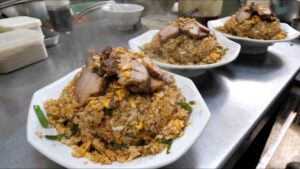
Começamos o dia com o pé na feira: café com beiju quentinho, cores vivas das frutas e verduras, cheiro de peixe fresco e aquele artesanato que encanta o olhar. Em meio aos sabores e histórias, levamos um polvo pra casa – e o resultado? Uma receita especial feita na panela de barro, com muito carinho e sabor.
Neste vídeo, você vai sentir o clima da feira, conhecer gente boa, ver detalhes da cultura local e acompanhar o preparo de um prato delicioso. Uma celebração simples, afetiva e cheia de sabor.
00:00:00 – (Um dia de Feira)
00:39:57 – (Preparando e comendo)
32件のコメント
Boa noite DEUS abençoe sempre vcs 🙏
Parabéns galera vídeo top, é isso aí mostrando o comércio do local esse arroz com polvo ficou a coisa mais linda, vou fazer aqui em casa ❤
Polvo 🐙 é bom de todo jeito 😜😜😋😋😋😋😋😋
Amo polvo, camarão e lagosta.
Não perco o canal "VIVER É UMA AVENTURA"
Manda abraços para Rute, Eliene, Romenilson e Clarice
Fala ,F.V.A parabéns galera tava faltando isso,vcs divulgarem o comércio e a cultura local,se puderem mostrem os pontos turísticos isso faz toda diferença pra quem tá assistindo
E acredito que em breve vcs estarão colhendo muitos desses produtos de hort frut que vcs mostraram na feira.Sigam com o projeto da horta que já deu tudo certo.
Esse vídeo tá diferenciado nota mil,continuem firmes e fortes pq Deus é com vcs.Jesus abençoe e proteja sempre.
Tá uma coisa mais linda essa receita mais eu não gosto de povo nem pegar ele eu gosto kkk
Eu sou aritawan eu moro município de tâmara Bahia eu tô asirtido o canal viver uma aventura e minha mãe edna mu irmão Alisson curto muito vcs manda um abraço pra min também eu asirti vídeo de segunda feira de meio dia toda vez manda um abraço beijos
É uma delícia
Denis São Francisco do Conde, manda o abraço sempre assistindo os vídeos de vcs breve irei aí acampar com vcs.
❤❤❤❤❤❤❤❤AMAMOS VOCÊS NOS ORGULHAMOS DA NOSSA BAHIA ABRAÇO BAHIA BRASIL
Oi boa noite adorei a receita do polvo não sabia fazer agora aprendi. Coisa mais linda são os seus vídeos. Parabéns pela sua apresentação única e umilde.
Boa noite, viver é uma aventura, amo esse canal. ❤fiquei muito feliz vendo vocês mandar abraço pra mim e falando meu nome 😊, que Deus continue abençoando essa turma maravilhosa do canal viver é uma aventura.
Moro no litoral sul de São Paulo, nos anos de 1980 a prefeitura estava plantando mudas de côco na orla da praia, e essas mudas vinham de Camamu, seu Zé dos cocos como ele era conhecido aqui , chegava com duas carretas lotadas de mudas e ficavam por aqui de 15 a 20 dias, era 3 a 4 vezes por ano
Boa noite meu amigo Rodolfo e Alisson povo no leste de coco aqui vai o meu abraço pra todos vocês eu João Bernardo de Maceió
❤❤❤❤que deliciaaaa..parabéns ❤.sou de Mato Grosso do Sul ❤
Maravilha panela de barro ❤
Meu amigo Alisson manda um abraço pra nós aqui em Caraguatatuba Regis Alcione Larissa Lorrayne. Jhady e Jailton
Parece gostoso,nunca comi polvo que eu me lembre,minha mãe fazia no estilo japonês,mas não lembro se cheguei a comer
Boa noite Alisson que mercado fiquei de agora na boca vocês comendo pé de moleque na feira
Eu João Bernardo
Fico vendo todos os dias se tem vídeo novo pra mim assistir, eu e minha filha Noemi, manda um abraço pra ela também.
Rapaziada tudo bem? Essa camisa nova vcs vendem ?
❤❤❤❤❤❤❤
Bom dia pra está família viver é uma aventura. Vidio top
minha boca virou um brejo😂
Bom dia meus amigos 🤍 do viver e uma Aventura.
Manda um salve pra mim, Eunapolis BA😊
É o melhor coentro também chamado coentro do Pará
Uma tarde abençoada para todos excelente vídeo cada vez melhor só essa atenção que vocês dão aos produtos regionais isso valoriza muito adorei a parte da feira e da lojinha panela de barro estão de parabéns não tem como não gostar só perde quem não assiste essas maravilhas um abraço para todos Sebastião Itaporanga Sergipe
Boa noite! Somos Caetano e Vera de Alagoinhas, BA não esqueça de mandar nosso abraço e quando for novamente gravar na feira fale os preços principalmente do dendê ok.
Me doa uma camisa dessa, assisto todos os seus vídeos.
Inácio Oliveira São Mateus ES.
MST KKKK SEU LUIZ
Eu quero ir nesse lugar
Jaqueline e boy
Barra de Sirinhaém pe