



# 122 和朝食と秋の彩りレシピ, おうちご飯で元気に過ごす季節の変わり目【暮らしと食のvlog】: Seasonal Food
It’s a pleasant morning with a pleasant breeze. The weather is finally refreshing enough for me to wake up. I’ll have some autumn-colored grapes for breakfast. I ‘m really in the mood for Japanese food this morning, so I’m going to make a Japanese breakfast with my favorite hijiki seaweed furikake. I’ll make a paste out of one homemade pickled plum. I’ll fry it in a frying pan without oil along with some soaked hijiki seaweed sprouts. I’ll add 1 tablespoon of sugar and 2 tablespoons of soy sauce. I’ll make sure the water evaporates completely. I’ll also add 50g of boiled whitebait and 1 1/2 tablespoons of roasted sesame seeds. I’ll be sure to use a Teflon-coated frying pan for this recipe. This hijiki and plum dish is delicious served over rice. Once it’s cooled, I’ll put it in the refrigerator and eat it quickly. Nanachi seems to prefer the director’s seat today. Adding salmon and tamagoyaki (rolled omelet) completes the classic Japanese breakfast set. The aroma of grilled salmon has a soothing aroma. I eat hijiki furikake on round rice balls. I tried using a rectangular plate for sanma (pacific saury), and the shape and size were perfect. I ate it with roasted green tea. It was a comforting breakfast. I recently noticed my new vacuum cleaner acting strangely, and today I found the cause. This is a big problem. Nanachi looks worried. It feels a little cooler today, thanks to the clouds. With the summer vegetables over, the garden is a little deserted. Instead, this year’s autumn ginger (myoga) harvest is plentiful. I only used a small amount of straw, so they’re green. But they still have a strong fragrance, making them perfect for ginger lovers. These are excellent vegetables that grow well without special care. I harvested a lot, so I’m going to pickle them and preserve them. This pickle liquid is delicious no matter what you pickle. For details on the ingredients, see the video description. Put all the seasonings into a small pot and bring to a boil. If you don’t like the bitter taste of ginger, you can boil it for about 30 seconds before using. I like to enjoy the aroma, so I use them raw. I also added quail eggs. Place in a heat-resistant container and pour over the boiling hot pickling liquid. Once cooled, place in the refrigerator. They’ll be ready to eat in about half a day. Nanachi’s face at the top of the tower is a rare sight. I’m not tall enough, so only my husband can take photos. For lunch, the main dish was shrimp, chicken, and fish cake dumplings. I finely chopped about 10 vannamei shrimp, 150g ground chicken thigh, 1 piece of fish cake (55g), a little salt and pepper, and 1 tablespoon of potato starch . I mashed the fish cake and kneaded it well. Roll into balls of the desired size. I put these in the refrigerator, as I’ll be grilling them before serving. In Japan, mushrooms are cultivated artificially, making them a delicious food year-round. However, autumn seems to make me crave them more than ever. The best way to eat mushrooms is sautéed in butter, right? Fry over high heat until slightly browned. I like to eat this with grated daikon radish and ponzu sauce. Prepare a generous amount of grated daikon radish. I also top with green onions. Ponzu sauce is added as I serve. Today, I’m in the mood for rice with candied chestnuts. I’ll add some grains and salt to make a sweet and salty rice dish. I’ll add some candied chestnuts, cut into bite-sized pieces. I bought these in a jar. I like rice with fresh chestnuts, but the convenience of making them in a jar is also appealing. There aren’t many seasonal leafy vegetables available this time of year. However, bok choy is a welcome addition to the season. I’ll make a simple soup with chicken stock and tofu. It’s best to add the root and tip of the bok choy at different times. This will ensure a consistent texture . Finally, I’ll finish by frying the meatballs in a frying pan. Once browned, flip them over and add a little sake. Cover and steam until done. Today’s sauce is Chinese-style chili sauce. Add 1 clove of garlic and ginger, a little chili bean paste, 2 tablespoons of sake, 1 tablespoon of rice vinegar , 1/2 teaspoon of sugar, a little salt and soy sauce, and 2 tablespoons of tomato ketchup. Thicken with water-dissolved potato starch and you’re done. This slightly spicy, sweet sauce is delicious. It also contains fish cakes, making it filling. The chestnut rice gives off a warm, sweet aroma. Adding grains gives the rice an autumnal color. The change in seasons brings a dramatic change in color to your table. It’s exciting, isn’t it? While the bok choy thick soup is delicious on its own, it’s a little more delicious with a drizzle of chili oil or sesame oil, as shown here. Don’t forget to drizzle ponzu sauce over the mushrooms and grated daikon radish. Blow away the fatigue of the lingering heat with this autumn-colored rice. Sweet chestnut rice made with kanroni (simmered chestnuts) has a sweet, almost dessert-like feel. I love it. My husband raved about the shrimp and chili meatballs. The shrimp had a really plump texture. It was a lunch that made me look forward to a truly autumnal meal. Torachi, who had been napping upstairs, came over. His front legs, like little cream buns, were adorable. The evening breeze was blowing leisurely again today. The summer vegetables still looked like they were going to thrive, but they needed to be cleared away. It was almost time to start planting for fall. I cleaned the field and mixed in compost. This is also an important time for the field, preparing for the next season. It’s almost time to finish harvesting the basil. I harvested as many leaves as I could, washed them thoroughly, and put them in a salad spinner. Then I drained them thoroughly. I added 100ml olive oil, 30g pine nuts, and one clove of garlic. I made a basil paste to prolong the enjoyment of the last basil. 50g basil leaves, 1/2 teaspoon salt, 20g grated cheese. I’m reluctant to part ways with these summer herbs. After packing them into a storage jar, add oil so that all the basil is submerged. This will help preserve the color. Store in the refrigerator. However, even though it can be stored, this is best eaten fresh. So I’m going to use it as a sauce for gnocchi. Microwave 300g potatoes. Once soft, mash them until smooth. Add a little salt, 100g bread flour, and about one egg, checking the consistency. Mix with chopsticks like this. Use this consistency as a guide. You can boil them immediately, but it’s better to let them rest in the refrigerator for about 30 minutes. This makes the dough easier to handle. As an eggplant lover, I still want to enjoy eggplant a little longer. So I want to eat as much as I can while I can. Drain the water thoroughly and fry in plenty of oil. Cook slowly until well browned. Add salt, pepper, and potato starch to the pork belly for the samgyeopsal. Rub well and fry. Fry until crispy, just like the eggplant. Then drain well. Arrange the eggplant and pork in that order. Top with some onion slices that have been soaked in water. Add 1 tablespoon of balsamic vinegar, 1 tablespoon of soy sauce, 1 tablespoon of olive oil, and 1/2 tablespoon of oligosaccharides. This balsamic and soy sauce sauce will be poured over the gnocchi later. Roll the gnocchi dough into small balls with your hands and place them in the flour mixture. Gently mash with a fork. Place in plenty of boiling water. Once the dough floats, boil for approximately 2 minutes. For the filling, prepare the remaining shrimp, roughly chopped and fried. Add the cooked gnocchi. Add the desired amount of basil paste. Be careful not to overcook it, as the aroma will disappear. Stir lightly until lightly heated. This dish is delicious on its own. If you like a richer flavor, sprinkle with grated cheese and black pepper. We also eat the pickled myoga ginger we made at lunchtime. I used brown sugar, which gave the quail a nice color. Don’t forget to pour the balsamic sauce over the pork. The rich aroma of the basil complements the potato flavor perfectly. The myoga ginger, which helps us through the lean autumn harvest, has a wonderful aroma. Needless to say, the pork and eggplant are delicious! Nanachi is a great talker again today. It was a night of enjoying freshly picked basil. Since the autumn equinox is just around the corner, we’ll make the traditional fried tofu dish “inariage. ” Sushi made with this dish is called “inari sushi” or “oinarisan.” It’s a classic example of the delicious food made by Japanese grandmothers. For detailed instructions, please check out video #90. The weather forecast for the next day was good. Today, it seems that the torn pieces from the litter box he opened are his prey. He also caught a fried shrimp while pretending to be a prey. Perhaps his master’s guidance is good? He’s steadily improving his hunting skills. The inariage is ready after letting it sit overnight. Store it in the refrigerator and it’s perfect for a variety of dishes, including sushi and udon. It’s time to bring out my treasured box again this year. I love the sight of it packed with inari-san and ohagi. I think it’s a traditional scene during the Japanese equinox. Prepare two types of rice: one for the ohagi and one for the inari-san. Use slightly less water for the inari-san. About 170ml of water for 1 cup of rice. For the ohagi, add 2 cups of soaked mochi rice and 0.5 cups of non-glutinous rice. Add 450ml of water and a little salt. Start by cooking the rice for the ohagi. “Ohagi” is a traditional Japanese sweet eaten during the autumn equinox. Since I don’t have much time today, I’ll use store-bought red bean paste. Mix chopped walnuts into the white bean paste. Roll into balls about 2.5 cm in diameter. I also prepared regular bean paste. For the walnut-filled ohagi, I’ll sprinkle walnuts on the outside. Grind them well in a mortar and pestle. I also prepared black sesame seeds and green kinako (soybean flour). I want to make three-colored ohagi that are visually appealing. Crush the rice for the ohagi roughly. When making ohagi, it’s important to avoid them becoming too large. Therefore, try to roll them into smaller balls. Place the red bean paste into the flattened rice. Wet your hands with a little sugar water to make it easier to work with. Sprinkle walnut powder for the walnut bean paste and sesame and kinako for the regular bean paste. Coat generously like this and place in a paper cup. I also made the classic “ohagi” (rice balls) with bean paste filling. This year, the size was just right. They were as colorful as I imagined, and I’m very satisfied. The sunshine is pleasant, and the weather makes me want to take a nap. Since it’s almost lunchtime, I’ll finish making “inari-san” (rice balls). Today, I’ll add minced meat and pickled ginger in sweet and sour sauce. This is a combination I found in the onigiri section of a convenience store some time ago. It was so delicious, I’m going to try it again. Prepare one cup of vinegared rice . I’ll make it with the usual combination of seasonings. Like “ohagi,” there are some things to be careful about with “inari-san.” These are typical dishes that tend to be made too large. lol I’ve decided to use 12 pieces for 1 cup of rice. Divide them into 12 equal parts and shape them into small bales. Then, place them inside the “inari-age” (deep-fried inari). The juiciness changes depending on how much water is squeezed out, so find your preference. I’m still practicing this. It’s a complex dish. I also got the perfect amount. Garnish with sesame seeds and you’re done. Let’s make some easy side dishes. Sprinkle salt on chopped eggplant and let it sit for a while. Add the leftover bok choy from yesterday to the miso soup. I also added Shonai gluten. I’ll make a simple stew with pork and mushrooms. Use 500ml of dashi stock, a little salt, 2 tablespoons of sake, 2 tablespoons of mirin, and 2 tablespoons of soy sauce . Add the pork belly and mushrooms and simmer over low heat, making sure not to bring it to a rolling boil. Add 1/2 tablespoon of sugar, 1 tablespoon of soy sauce, and 1/3 teaspoon of mustard. I’ve adapted my usual eggplant skin pickle recipe. This version also includes the eggplant itself. I’ll add green shiso leaves for a refreshing flavor. Once the pork belly is cooked through, the stew is ready. I’ve finished making yuzu kosho (citrus fruit) the other day. I’ll try eating it with the yuzu kosho. A lunch of “onigiri-san” is ready. I made a lot, but I’m sure they’ll be gone in a flash. This year, I was careful not to over-squeeze the fried tofu. So, it’s juicy and just the right amount of flavor. Homemade yuzu kosho has an exceptionally good flavor. The refreshing spiciness of the homemade green chili peppers is also wonderful. Yuzu kosho goes well with light-flavored stews. Coming into this season, I think it would also be good to eat with oden and other dishes. I’m looking forward to it. I’m looking forward to making yuzu kosho with our yuzu. It would also be delicious with other citrus fruits. My dreams are expanding. I immediately enjoyed the freshly made, fluffy “ohagi” (rice balls). It’s so satisfying to eat them with hot tea. Oh, there are walnut and black sesame ohagi sitting here, too. They both come over when they sense something delicious. lol Torachi’s hands look almost as big as Nanachi’s. His hands are very bony, and he’s dynamic when he plays and runs. Once they’re full, it’s time for a nap. Each cat has their own unique sleeping position. lol As the equinox approaches, I make food modeled after temple cuisine. It’s called shojin ryori (vegetarian cuisine). I heard that you can make dashi from soybeans, so I tried it. Today’s soup is made with soybeans and shiitake mushrooms. I soaked dried shiitake mushrooms and dried soybeans overnight. I’ll also use the soybeans and shiitake mushrooms used to make the dashi as ingredients. Combine the shiitake mushroom and soybean soaking water with water to make 700ml. Add plenty of your favorite vegetables. Blend the soybeans until smooth. Leaving some of the soybean soaking water makes it easier to blend. Once the vegetables are soft, add the soybean paste and simmer over low heat for about 5 minutes. Lightly skim off any scum and add the miso, and it’s ready. I drained firm tofu thoroughly for about two nights. I’ll use this to make tofu steaks. Slice into 1cm thick slices and coat both sides with potato starch. Grill it in a frying pan with sesame oil. The trick to grilling it well is to cook it slowly over high heat. And be sure to turn it over frequently while grilling. This will make the surface crispy and the batter less likely to come off. Place it on a plate and add the sauce later. 1/2 tablespoon sugar, 2 tablespoons sake, 2 tablespoons mirin, 1 tablespoon soy sauce . Potato starch dissolved in water (1 teaspoon potato starch, 2 teaspoons water). At my husband’s request, I also eat this with yuzu pepper. Since “oinari-san” contains minced meat, strictly speaking it is not a vegetarian menu. So I think I’ll call it a mini vegetarian menu. The soybean broth has a comforting taste. The crispy tofu steak goes well with yuzu pepper. In Japan, there is a saying that the heat and cold will last until the equinox. It means that the battle against the lingering heat will soon be over. Please take care of your health and enjoy the changing autumn dishes on your table. This week’s husband’s selection was “Oinari-san”!
チャンネルはこちらから↓
https://www.youtube.com/@UCLdtuKLh9xJOAdFoGzDqUqw
おすすめの動画もぜひご覧ください↓
【ひじきとしらすの梅ふりかけ】
乾燥ひじき 15g
しらす 50g
梅干し 1~2個(梅干しの塩分による)
いりごま 大さじ1と1/2
砂糖 大さじ1
醤油 大さじ2
【茗荷とうずら卵のピクルス】
うずら卵の水煮 6~7個
ニンニク 2かけ
ローリエ 1枚
唐辛子 1本
クミンシード 小さじ1/2
マスタードシード 小さじ1/2
ブラックペッパー 小さじ1/2
クローブ 6粒
砂糖 大さじ3
塩 小さじ1/2
林檎酢 大さじ2
白ワインビネガー 大さじ3
白ワイン 大さじ2
水 50ml
【エビとはんぺんのチリソース鶏つくね】
鶏ももひき肉 150g
はんぺん 1枚(55g)
えび(小) 10尾
片栗粉 大さじ1
塩胡椒 少々
*チリソース
ニンニク 1かけ
生姜 1かけ
豆板醤 少々
酒 大さじ2
砂糖 小さじ1/2
塩 少々
米酢 大さじ1
醤油 少々
トマトケチャップ 大さじ2
水溶き片栗粉(片栗粉小さじ1+水小さじ6)
【きのこおろしバターポン酢】
しめじ 1/2株
エリンギ 1本
バター 10g
大根おろし 適量
小ネギ 適量
ポン酢 適量
【栗の甘露煮の炊き込みご飯】
米 2合
ご飯用の雑穀 大さじ2
栗の甘露煮 80g
水 360ml
塩 小さじ1
【チンゲンサイと豆腐のとろみスープ】
チンゲンサイ 1株
豆腐 1個
水 500ml
鶏ガラスープの素 大さじ1弱
塩胡椒 少々
醤油 少々
水溶き片栗粉(片栗粉大さじ1+水大さじ2)
【バジルペースト】
バジルの葉 50g
松の実 30g
オリーブオイル 100ml
ニンニク 1かけ
粉チーズ 20g
塩 小さじ1/2
【じゃがいものニョッキ】
じゃがいも 300g
強力粉 100g
卵 1個
塩 少々
【豚肉とナスのバルサミコソース】
豚バラ肉(厚切り) 250g
塩胡椒 少々
片栗粉 適量
ナス 2本
米油 適量
玉ねぎ 1/2個
*バルサミコ醤油ソース
オリゴ糖 大さじ1/2
塩 少々
バルサミコ酢 大さじ1
醤油 大さじ1
オリーブオイル 大さじ1
【いなりあげ】
油揚げ 6枚
だし汁 200ml
砂糖 大さじ3と1/2
塩 小さじ1/2
醤油 大さじ2
【ガリとひき肉のお稲荷さん】
いなりあげ
ガリ 45g
鶏ももひき肉 150g
砂糖 大さじ1/2
醤油 大さじ1
*酢飯
米 1合
水 170ml
米酢 大さじ3
砂糖 大さじ1
塩 小さじ1/4
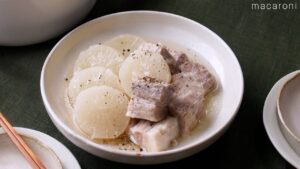
【豚肉ときのこのさっと煮】
だし汁 500ml
酒 大さじ2
みりん 大さじ2
塩 少々
醤油 大さじ2
柚子胡椒 少々
【ナスと紫蘇のカラシ和え】
ナス 2本
青紫蘇 4枚
砂糖 大さじ1/2
醤油 大さじ1
練りカラシ 小さじ1/3
【インゲンの呉汁】
乾燥大豆 50g
にんじん 1/2本
大根 5センチくらい
いんげん豆 6本
干し椎茸 3個
大豆と椎茸の戻し汁と水合わせて 700ml
味噌 大さじ2~3
【豆腐ステーキ】
豆腐 1丁
片栗粉 適量
ごま油 適量
酒 大さじ2
みりん 大さじ2
砂糖 大さじ1/2
醤油 大さじ1
水溶き片栗粉(片栗粉小さじ1+水小さじ2)
小ネギ 適量
柚子胡椒 適量
毎年お彼岸になると作るおはぎ☺️私の大好物です✨
今年もこの時期になったな~と思いながら、楽しみに台所に立つ週末、皆様いかがお過ごしですか?
変わらぬ台所と食卓の様子を今週もお届けします😆
上記は動画の中で作ったお料理の大体のレシピです。
目分量で作ったものを大体で記載していますので、お作りになる際は味見をしながら整えてくださいね。
Autumn comfort food, quietly made. Hope you enjoy this little seasonal ritual with us.
#ぬしキッチン #夫婦の暮らしと菜園 #4K
12件のコメント
え💦💦
茶トラ 😻トラチさん😻
毎回見てる筈なのに💦
見逃したか!😮!
お迎えしたのですね🤭
最近毎日ぬしさんのチャンネルを見ていて、毎回元気が出せます〜新しい子猫さんがいらしてこれからも成長楽しめます!今回のご飯本当に美味しく出来上がりましたね!使ってる黒いポットはなんといいますか?とても綺麗な形ですね☺️ あと はんぺんがなければ代わりに何が使えますか?前回エビのはんぺんケーキを見てこっちも作ってみたくなりました😆
ヌシさんの手作りおはぎ彩りが良くカラフルでサイズも可愛いくて美味しそう✨ナナチさんとトラチくんがおはぎに見えちゃいました💕ナナチさんはトラチくんの面倒見が良くて安心して任せられますね😊うちの茗荷も今が最盛期で沢山採れました。茗荷のピクルスとバジル収穫してバジルペーストを早速作りたいと思います🌿バジルペーストは色々なレシピにアレンジ出来そうでありがたいです😊旦那様の美味しすぎるが嬉しくて作り甲斐がありますね💕秋の彩り満載のレシピの数々勉強になり作るのが楽しみです👍今日も楽しく素敵な時間をありがとうございました😊秋の野菜作りが楽しみですね🥬
こんにちは😮すっかり朝晩涼しく、日中は汗だく💦で体調大丈夫ですか?🐈⬛ちゃん増えたのかな?
かわゆい♪(*^^)o∀*∀o(^^*)♪最初は喧嘩はなかったんですかねー😅茄子料理沢山ありすぎますよね❤🍇イイなー🎉今年はシャインも安く二回食べ、果物🍊カロリー高だから〜😅栗〜すっかり秋🍂ですね。ジャガイモ沢山あるので今晩は🌽、ヒジキ混ぜて😅
なんて素敵過ぎる食卓なんでしょう! すっかり秋を感じます。そして名残りバジルのペースト、お茄子、茗荷のお料理も最高😆 ヌシさんの無限に広がるレパートリーに召し上がるご主人さまが毎回ながら羨ましい‼️
素敵なお重にぴったりと美しく詰められたお稲荷さんとおはぎ。どちらか一つ作るだけでも大仕事なのに、何でもさらっと無駄のない動きで作られるヌシさん、すご過ぎです。こんなレストランがあったら通い詰めてしまいます😄
合間合間に登場するナナチさんの母性愛と甘えん坊のトラチさんのかわいい仕草にもめちゃくちゃ癒されます🥰 ナナチさんの後ろ立ち姿がまた色っぽい😅♥️
一気に涼しくなり、畑の方も忙しくなるのでしょうね。楽しみにしております‼️
昨日、時鮭を買って今朝の朝食にしました。副菜は卵焼き、じゃこ天等お味噌汁はさつまいもでした。ぬしさんの朝ごはん見て、お互い秋を感じる食卓だなぁ~と思わずクスッとしてしまいました(笑)今晩ひじき煮しようかと戻していたので、さっそく梅ひじきふりかけ作りましたよー😊ご飯が進みそう😂ウチの庭にも茗荷ぽいのがあったけど、根ではなく、少し離れたところに出てるのをはじめて知りました😅私もお彼岸になるとおはぎ作ってましたが、仕事も辞め、夫婦二人だと作らなくなりましたが今年は、頑張って作ります。昨日ずんだあん買ったので😊あんこ、ずんだ、きな粉と3種作ろうかと。ぬしさんはお寺の精進料理とか習いに行って凄いですね。調味料、粉類とか沢山お持ちのようですが、保管はどうされていますか?うちの冷蔵庫はパンパンです😂
わぁ〜いつも美味しそうなんだけど今日のお料理は好きな物が沢山あります😋作ってみますね♪
ナナチさんとトラチくん可愛い😍
すぐに仲良くなって良かったですね😺私もニャンコ派で過去にアメショーの兄弟を飼っていました!
ニャンコは夜型だから、夜になると運動会が始まりませんか?
子猫の時は夜中にうるさくて常に寝不足でしたよ😂
ぬしさん😊
エッ👀ナナチさんの他に
トラチさんってお初です(笑)
凄く可愛い2階住まいかしら☺️微笑ましかったです🎵
おはぎとお稲荷さん私の大好物ですよ〜食べたい😁😁
我が家の畑は完全終了です(笑)
茗荷登場しましたね。
ぬしさんの夜のキッチンリセットって何時頃なんだろ🤔✨
はんぺんの肉団子チリソース
絶対作りたい🙌今日もぬし家の素敵なレシピ楽しかったです。🐱にノックアウト🤍🤍
nushiさん、こんにちは♪🍀
朝夕は少し涼しく、ふと見上げた空が高くなり秋を感じる様になりましたね♪🍁
nushiさんの食卓も秋を感じさせるお料理の数々にワクワクしました♪♪以前、カリカリ梅とひじきの入ったお土産を頂いた事があってその美味しさに夢中になったのですが、おうちでも作れるなんて♪♪♪我が家の梅干しで是非作ってみます♪😊
この季節においなりさんを毎年作って、今年はもっと美味しく出来る様にと楽しみながら努力を惜しまないnushiさん素敵です♪♪♪✨
畑を耕して季節の野菜を育て、それらを使ったお料理が食卓に並ぶなんてnushiさんの毎日は私にとって憧れです♪(*˘︶˘*).。.:*♡
𓃠🐾ナナチさん、本当に優しいですね♪元々の優しい性格にnushiさんとご主人からの愛情をたっぷり受けたそのままをトラチ君に注いでいる、そんな感じです♪今回もナナチさんのお背中SHOTに、ロボット掃除機と戦うトラチさん♪本当に可愛かったです♪😊
お彼岸を過ぎて、いよいよ本格的な秋へと移ろいで行きますが、nushiさんも夏のお疲れが出ない様にくれぐれもご自愛下さいね♪♪♪本日も素敵な時間をありがとうございました♪〜藍〜🍀
새로운 어린고양이! ❤
いつもみています。
素敵なお皿や器にうっとりします。
お味噌汁のお椀はどちらのでしょうか?
うちのものを買い替えたいのでぜひ教えてください。
You can freeze basil and many herbs, as is (simply chopped and patted dry) or in pesto forms (or simple olive oil + herbs) and toss in your pasta dish over winter 😊 I like to freeze pesto in an ice cube mold so it's easy to portion when I need some 😊. I do it with rosemary, parsley, chives, green onions and thyme at least.